Why Gentle Attention Heals More Than Harsh Control
Continuing the Journey
Over the past few months, we’ve been exploring how small, intentional shifts can change the way we feel and the way we move through life. We began with gratitude: the art of noticing what’s good. Then we moved into recognising glimmers, those fleeting moments of unexpected joy or connection. We explored the power of pausing, giving ourselves tiny islands of calm. And most recently, we looked at self-compassion, meeting ourselves with kindness rather than criticism.
Now, it’s time to explore another layer of this journey: curiosity.
If compassion is how we show warmth to ourselves, curiosity is the gentle way we try to understand what we’re going through. It encourages us to look closely without judging, to let go of control a little, and to listen more carefully.
Why Curiosity Matters
When something uncomfortable arises, stress, sadness, or a difficult thought, our instinct is often to fight it, fix it, or push it away. We may think:
- Why am I like this again?
- I should be over this by now.
- I just need to get on with it.
This reaction makes sense. Many of us grew up believing that being in control keeps us safe. But the truth is, when we fight our feelings, they often get stronger. The more we resist, the more tension we feel.
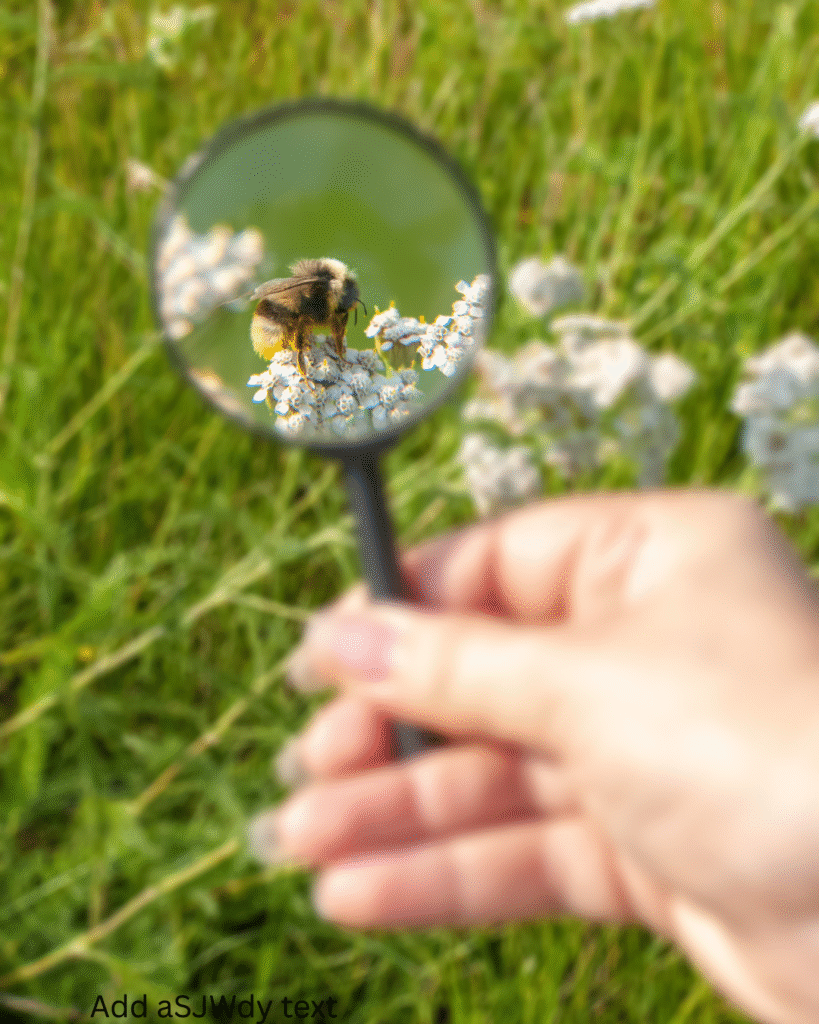
Curiosity gives us another option. Rather than ignoring what we feel, we can welcome it and say, “I see you. Tell me more.”
It doesn’t mean we enjoy what’s happening, or that we want to stay stuck in it. It simply means we’re willing to explore, to listen, to understand. And in that willingness, something begins to soften.
Curiosity vs. Judgment: A Tale of Two Mindsets
Imagine this scenario: you feel anxious before a meeting.
- Judgment says, “Why can’t I just be confident? I’m useless. Other people don’t struggle like this.”
- Curiosity says: “Hmm. My chest feels tight. My mind is racing. I wonder what my body is trying to protect me from right now?”
Both recognise the anxiety. But one closes the door with criticism, while the other opens a gentle space for exploration.
When we choose curiosity, we stop treating ourselves as a problem to be solved. Instead, we become a person to be understood.
The Science of Curiosity and Safety
From a nervous system perspective, curiosity is powerful.
When we’re stressed, our sympathetic nervous system (the fight-or-flight response) kicks in. Judgment and self-criticism fuel that stress cycle.
Curiosity, in contrast, helps us feel safer. It puts our brain in a more open and relaxed state, making it easier to learn, adapt, and connect with others. In polyvagal theory, curiosity helps us move into a calmer, more engaged state.
Even if the situation stays the same, our attitude changes. We feel less trapped and more open.
Everyday Practices of Curiosity
1. Ask Gentle Questions
When you notice tension, overwhelm, or self-criticism, try asking:
- Where do I feel this in my body?
- What might this feeling need right now—comfort, space, movement?
- What’s another way of looking at this moment?
These questions don’t need immediate answers. They’re invitations, not demands.
2. Use “I Notice” Language
Instead of saying, “I’m anxious” (which can feel like the feeling defines you), try:
- “I notice my shoulders are tight.”
- “I notice my heart is racing.”
This subtle shift creates distance between you and the experience. You’re not consumed by it; you’re observing it with curiosity.
3. Experiment Without Pressure
Curiosity thrives when there’s no right or wrong outcome. You might try:
- Moving your body and noticing what shifts.
- Changing your environment, maybe stepping outside, adjusting the light, or tidying your space.
- Journaling a few sentences with the prompt, “I’m curious about…”
The key is to play, not to perfect.
4. Bring Curiosity to Self-Talk
When your inner critic shows up, get curious about it too. Instead of, “I hate that I’m always so hard on myself,” try:
- “Interesting. My critical voice is loud today. I wonder what it’s afraid might happen if I don’t listen?”
Often, even our harshest self-talk carries an old protective intention. Curiosity helps us uncover that, instead of battling against it.
Why Curiosity Is Softer Than Control
Control is rigid. It says: “Things must be this way, or else.”
Curiosity is fluid. It says: “I wonder what’s happening here.”

Control tightens. Curiosity loosens.
Control criticises. Curiosity listens.
Control pushes for answers. Curiosity allows space for discovery.
In a world that often demands we “push through,” curiosity offers a radical alternative: a softer way to be with ourselves.
When Curiosity Feels Hard
For some, curiosity can feel risky. If you’ve experienced trauma, turning inward might not always feel safe. The idea of “exploring” your feelings may bring up resistance or fear.
That’s okay. Curiosity doesn’t have to mean diving into the deepest parts of yourself all at once. It can be as simple as noticing:
- The texture of the mug in your hands.
- The colour of the sky outside.
- The sound of your breath.
Curiosity can start on the outside before it moves inward. It’s about taking steps that feel manageable, not overwhelming.
The Ripple Effect of Curiosity
Curiosity doesn’t just change your inner landscape; it influences how you relate to the world around you.
- In relationships: Curiosity helps us listen more deeply, respond more thoughtfully, and let go of assumptions.
- In challenges: Instead of spiralling into self-blame, curiosity helps us ask, “What can I learn from this?”
- In everyday life: Curiosity keeps us open to wonder, the way light dances on water, or how a stranger’s smile lifts our spirits.
Curiosity turns life from something to be controlled into something to be explored.
Bringing Curiosity Into Your Daily Life
Here are a few invitations to weave curiosity into your routines:
- Morning: Instead of rushing straight into the day, pause and ask, “What’s one thing I’m curious about today?”
- During stress: Try noticing one physical sensation and asking, “What’s this telling me?”
- Evening: Reflect with the question, “What surprised me today?”
These small shifts don’t take much time, but they open the door to more softness, presence, and resilience.
A Gentle Invitation
Curiosity doesn’t ask you to control, fix, or know everything. It simply invites you to notice, to soften, and to listen.
Curiosity is softer than control.
I’d love to hear: Where in your life could curiosity help you right now?
And if turning toward yourself with curiosity feels difficult, remember: you don’t have to explore alone. In my work, I gently support people in building safety and discovering new ways of relating to themselves. Schedule a call today, and we can have a cuppa and a chat


